A Clear Sorting Plan Can Prevent Costly Disposal Mistakes
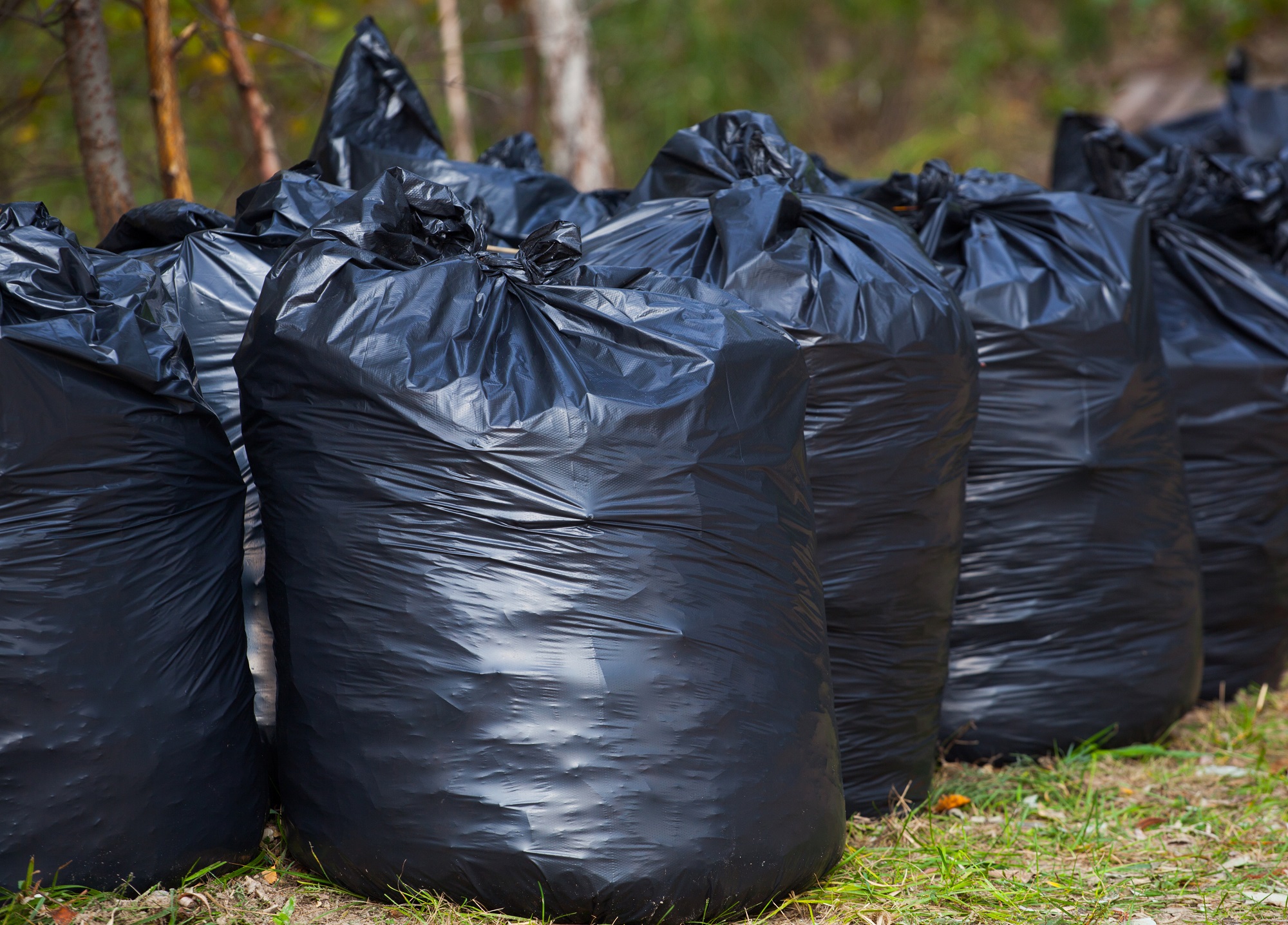
A property cleanout rarely produces just one kind of waste. A garage might contain an old sofa, scrap metal, cardboard, leftover paint, batteries, and containers of household chemicals, all waiting to be removed. Planning junk removal in Portland projects means identifying these different materials before hauling begins, so reusable belongings, recyclable items, ordinary rubbish, and potentially hazardous waste don’t end up mixed. Charlie & Sons Hauling provides junk removal services for customers needing unwanted items cleared from residential or commercial properties. Its junk removal service is a starting point for discussing the project scope and the materials to be removed.
The most reliable approach is to sort first, determine the appropriate destination for each category, and then organize the physical removal. That sequence matters because a heavy item may require special handling, a recyclable material may have a separate drop-off option, and a chemical product may require disposal at an approved hazardous waste facility. Treating everything as general garbage can create avoidable handling risks, extra trips, and disposal complications.
Why Sorting Should Happen Before Anything is Loaded
The first step is to understand what the property actually contains. A quick visual assessment can reveal obvious categories, but some items need closer attention. A metal shelving unit may be recyclable, while a similar-looking object with attached electrical components may require a different route. Containers with warning labels, damaged packaging, or unknown contents should be set aside for identification rather than placed in a general debris pile.
A useful sorting plan separates materials according to their likely next destination. Reusable furniture and household goods can be considered for donation if they’re clean, functional, and accepted by a local charity. Cardboard, eligible metal, glass, and accepted plastics may have recycling options. Ordinary non-recyclable rubbish can be grouped for disposal, while potentially hazardous products remain separate until their handling requirements are confirmed.
This process also helps establish the scale of the job. A small garage cleanout with a few bulky items may require a different hauling service arrangement than an estate cleanout, a property manager’s turnover project, or a commercial space with mixed construction debris. The amount of material, access to the property, and distance to the loading area all affect how removal should be organized.
Which Items Need Different Handling and Disposal Routes?
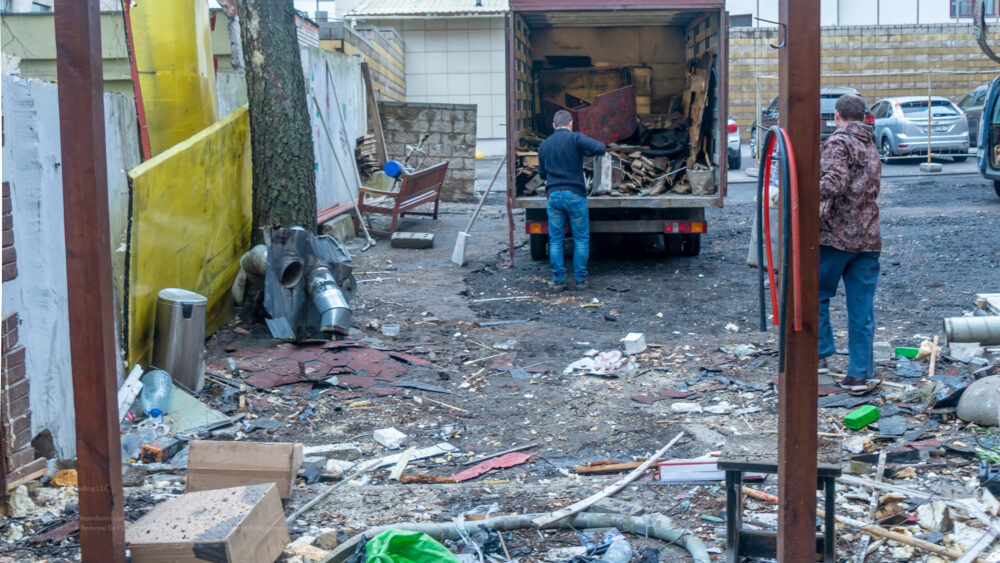
Bulky items are often the most visible part of a cleanout, but their size isn’t the only factor that matters. Sofas, mattresses, cabinets, appliances, exercise equipment, and large outdoor furniture may require careful lifting and sufficient space to move them safely. Some may be suitable for donation or reuse, while others are too damaged or incomplete. Their final destination should depend on their condition and the options available locally.
Recyclables need their own consideration. Clean cardboard, certain plastics, glass containers, and metal objects may be accepted through local recycling programs or at designated facilities. However, acceptance rules differ by material and location. Items that look recyclable aren’t automatically accepted in curbside bins, and combining them with food waste, liquids, or other debris can make recovery more difficult.
Potentially hazardous materials deserve the most caution. Common examples include paint, solvents, pesticides, fuels, batteries, fluorescent bulbs, pool chemicals, and some cleaning products. The Oregon Department of Environmental Quality explains that improper handling or disposal of household hazardous waste can create risks to people and the environment. These materials should not be poured into drains, placed in ordinary rubbish, or mixed with other products to save space. Oregon DEQ’s household hazardous waste guidance provides additional information about safe disposal options.
Want Professional Junk Removal Services?
Contact Charlie & Sons Hauling today for reliable removal and a friendly quote.
How Can A Removal Plan Reduce Handling Risks?
Once the materials have been identified, the next task is to plan how to remove them from the property. Large furniture and heavy appliances may need a clear route through doorways, hallways, staircases, or outdoor paths. Before heavy lifting begins, obstacles should be moved where practical, fragile areas protected, and the safest carrying route established. This is particularly relevant in older homes, properties with narrow access, and buildings where shared entrances must remain usable.
Heavy or awkward objects shouldn’t be dragged across floors or carried by people who aren’t equipped to manage their weight and shape. Unstable stacks, protruding metal, broken glass, and damaged furniture can also create hazards during loading. If an item appears structurally unsafe, contains an unknown substance, or may contain asbestos or another restricted material, the removal plan should be paused until the appropriate handling requirements are established.
A professional junk removal crew can help with ordinary lifting, loading, and hauling within the agreed scope of work. However, general junk hauling should not be confused with hazardous waste treatment, asbestos abatement, or specialist remediation. Those tasks may require separate qualified providers, permits, or disposal arrangements. Clear boundaries prevent customers from assuming that a single standard pickup can handle every material.
What Portland Disposal Options Should Be Checked Before Booking?
Portland-area residents have several disposal routes, but the right one depends on the material and the type of property. The City of Portland explains that bulky items may be handled through a garbage company’s scheduled pickup or taken to a Metro transfer station. For some households, curbside bulky waste collection is convenient. At the same time, a transfer station may be more practical when there are several large items or when access to a suitable vehicle is available.
Metro operates public transfer stations at Metro Central in Portland and Metro South in Oregon City. These facilities accept various garbage, recycling, and other materials, but their acceptance rules are not identical for every item. Metro’s guidance lists materials that its regular transfer stations cannot accept, including asbestos-containing material, certain contaminated materials, and electric vehicle batteries. Checking the current requirements before transporting a load can prevent a rejected delivery or an unexpected disposal problem.
Household hazardous waste follows a separate process. Metro has dedicated household hazardous waste facilities at both transfer station locations, with specific hours and preparation requirements. Its guidance identifies products such as paints, batteries, pesticides, solvents, and certain cleaning products as materials that may require special disposal. Business-generated hazardous waste is subject to different requirements, so commercial property managers should confirm the correct process before arranging transportation.
How Should Reuse, Donations, and Recycling Fit Into the Plan?
Disposal shouldn’t be the automatic first choice for everything removed from a property. Furniture, working appliances, usable tools, and household goods may have a second life if they’re in acceptable condition. Local charities and reuse organizations may be worth contacting before a cleanout, particularly when an estate or rental property contains still-functional belongings. Donation acceptance varies, though, and organizations may decline items with stains, damage, missing parts, or safety concerns.
Recycling is another opportunity to reduce the amount of material sent for disposal. Separating clean metal, cardboard, and other accepted recyclables can make it easier to direct them to appropriate facilities. Metro also provides a Find a Recycler resource for locating options by material. Not every item has a practical recycling route, so the plan should be based on verified acceptance rather than assumptions about what a facility might take.
An environmentally responsible approach also considers transport. Combining compatible materials into a well-planned load may reduce unnecessary trips, provided the materials remain separated and the vehicle can carry them safely. Loads taken to transfer stations must follow facility rules, including requirements for covering open truck or trailer loads. Responsible disposal is about more than keeping reusable materials out of the landfill; it also means preventing spills, loose debris, and unsafe handling along the way.
What Should Customers Ask Before Arranging Junk Hauling?
A useful estimate begins with an accurate description of the property and its contents. Customers should explain whether the project involves bulky furniture, appliances, yard waste, renovation debris, or potentially hazardous materials. Photographs can help communicate the quantity and condition of ordinary items, but unknown chemicals or restricted materials may need to be identified separately before a removal arrangement is confirmed.
Customers should also ask what the quoted service includes. Does the estimate cover the handling of items from inside the property, loading, transportation, and disposal? Are there access limitations, minimum charges, or additional fees for particular materials? Upfront pricing depends on understanding the work involved, so an in-person estimate may be useful when the volume or access conditions are difficult to judge remotely. Pricing can vary according to labor, load size, material type, disposal fees, and other economic or material factors.
For property managers and owners coordinating estate cleanouts, communication is just as important as the physical work. A clear pickup time, access instructions, parking arrangements, and a list of items that must remain can prevent confusion on removal day. Charlie & Sons Hauling can discuss the junk removal requirements and the scope of ordinary hauling work before the project is scheduled. Hazardous waste handling or specialist remediation should be arranged separately when required.
A Better Cleanout Starts With Knowing Where Everything Belongs
Mixed-material cleanouts are easier to manage when each item has a clear destination before loading begins. Bulky belongings may be suitable for donation, accepted recyclables can be separated, ordinary rubbish can be prepared for disposal, and potentially hazardous products can be directed to the correct facility. This approach helps reduce unnecessary handling, avoid rejected loads, and make better use of local recycling and disposal options.
For customers planning junk removal in Portland, the most useful first step is to identify the materials and explain the property’s access conditions. Charlie & Sons Hauling can handle the ordinary junk removal and hauling portion of a cleanout, while restricted materials should be referred to the appropriate specialist or approved disposal program. A little planning before pickup can make the entire job more organized and responsible.
Want Professional Junk Removal Services?
Contact Charlie & Sons Hauling today for reliable removal and a friendly quote.